Why Does Blood Sugar Rise Overnight?
When most people first learn that their fasting blood sugar is high, the logical assumption is that they must have eaten something, or that their medication isn't working. But there's a third explanation that affects a large proportion of people with type 2 diabetes and prediabetes: the dawn phenomenon.
The dawn phenomenon is an early-morning rise in blood glucose driven by natural hormonal shifts that happen between roughly 2 a.m. and 8 a.m., independent of any food intake. Understanding it is one of the first steps toward meaningful glucose management.
The Hormonal Mechanism Behind the Dawn Effect
Your body naturally prepares itself to wake up by releasing a cascade of hormones — including cortisol, growth hormone, glucagon, and epinephrine — in the early morning hours. This hormonal wave serves an important evolutionary purpose: it mobilizes stored energy so you're ready to start the day.
In people without diabetes, the pancreas compensates by releasing a small burst of insulin that keeps blood glucose stable. In people with type 2 diabetes or prediabetes, however, this insulin response is blunted or delayed. The liver, receiving signals from glucagon and cortisol, releases extra glucose into the bloodstream — and without sufficient insulin to escort it into cells, blood glucose climbs.
A fasting glucose reading taken first thing in the morning reflects overnight hormonal activity, not your dinner from the night before. Many people blame their diet unnecessarily when the real driver is the dawn phenomenon.
Dawn Phenomenon vs. Somogyi Effect — What's the Difference?
These two terms are often confused, but they describe distinct mechanisms:
Dawn phenomenon is caused by natural, early-morning hormonal surges pushing glucose up regardless of your overnight blood sugar. It's the more common of the two in people with type 2 diabetes.
Somogyi effect (also called "rebound hyperglycemia") was historically believed to occur when blood sugar drops too low overnight — causing the body to overcorrect and push glucose dangerously high by morning. Modern research has questioned how common this effect truly is, and many clinicians now consider the dawn phenomenon to be the primary driver of high fasting glucose in most cases.
Distinguishing between them matters primarily for people on insulin therapy, as the management approach differs. Your doctor can help determine which is occurring through continuous glucose monitoring or timed blood tests.
Watch: High Early Morning Glucose — Dawn Phenomenon & Somogyi Effect Explained
How High Is "Too High" in the Morning?
Fasting blood glucose targets vary depending on your situation, but here are the general reference ranges used by most diabetes organizations:
| Fasting Glucose (mg/dL) | Fasting Glucose (mmol/L) | Category |
|---|---|---|
| Below 100 | Below 5.6 | Normal |
| 100 – 125 | 5.6 – 6.9 | Prediabetes range |
| 126 or higher | 7.0 or higher | Consistent with diabetes (requires confirmation) |
| 80 – 130 (goal) | 4.4 – 7.2 (goal) | ADA target for most adults with diabetes |
These are general guidelines. Your personal targets should be set with your healthcare provider, as they depend on factors including your age, medications, risk of hypoglycemia, and overall health.
What Factors Make the Dawn Phenomenon Worse?
Several lifestyle and health factors may amplify morning glucose rises:
- Poor sleep quality: Even a single night of disrupted sleep has been shown to raise fasting cortisol levels the following morning, which directly increases blood glucose. A 2021 study in Diabetes Care found that sleep fragmentation correlated with significantly higher morning glucose variability.
- Stress: Chronic psychological stress maintains elevated cortisol levels, compounding the natural dawn hormone surge.
- Late-night carbohydrate intake: While the dawn phenomenon itself is hormonal, a high-carb late-night snack can add to an already elevated baseline, making morning readings appear worse.
- Inadequate physical activity: Sedentary habits are associated with greater insulin resistance, meaning the liver's morning glucose release encounters less cellular uptake.
- Medication timing: For people on oral diabetes medications, the timing relative to meals and sleep can affect overnight glucose management. This is worth discussing with your prescriber.
5 Evidence-Informed Strategies That May Help
The following approaches have been studied in the context of managing morning blood glucose. None of these replace medical treatment, and their effectiveness varies by individual.
1. Prioritize Sleep Quality and Duration
Research consistently links poor sleep to higher cortisol and worse insulin sensitivity. Aiming for 7–9 hours of quality sleep, maintaining a consistent sleep-wake schedule, and addressing sleep disorders (especially obstructive sleep apnea, which is significantly more common in people with type 2 diabetes) may meaningfully affect morning glucose levels.
2. Take an Evening Walk
A 2022 meta-analysis in Sports Medicine found that resistance and aerobic exercise performed in the evening was associated with lower fasting glucose the following morning in people with type 2 diabetes. Even a 15–20 minute walk after dinner may help deplete muscle glycogen stores, making overnight glucose management more efficient.
3. Reconsider Your Evening Snack
For some people, a small, protein-rich, low-carbohydrate snack before bed (such as a small handful of nuts or a portion of Greek yogurt) may help stabilize overnight glucose levels. The evidence on this is mixed — some people see improvement, others see worsening. Monitoring your own response with consistent testing is the most reliable approach.
4. Discuss Medication Timing With Your Doctor
For people on metformin, some evidence supports taking the extended-release version in the evening rather than the morning for better overnight glucose control. For insulin users, basal insulin timing is a nuanced decision that your endocrinologist or diabetes care team should guide. Never change medication timing without medical supervision.
5. Manage Stress Actively
Mindfulness-based stress reduction, consistent exercise, and adequate social support have all shown associations with lower cortisol levels and, in some studies, better glycemic control. While this is often the most difficult change to make, it's worth considering as part of a holistic approach.
Watch: High Blood Sugar in the Morning — Dawn Phenomenon vs Somogyi Effect (3-minute explanation)
How to Track Your Pattern
Before making changes, it helps to understand your personal pattern. The following approach can provide useful data to discuss with your healthcare team:
- Test your blood sugar at bedtime (e.g., 10 p.m.).
- Test again in the middle of the night (e.g., 3 a.m.) if possible.
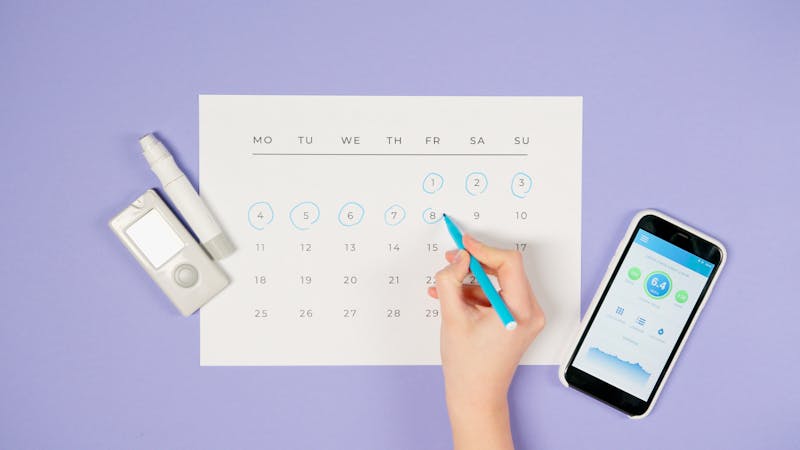
- Test first thing upon waking, before eating or drinking anything other than water.
- Log these readings for 5–7 consecutive days along with sleep quality notes.
If your reading at 3 a.m. is normal and your morning reading is high, the dawn phenomenon is the likely culprit. If your 3 a.m. reading is low and your morning reading is high, speak to your doctor about the Somogyi effect and whether your insulin dose or timing needs adjustment.
A continuous glucose monitor (CGM) makes this process significantly easier by providing a complete overnight glucose curve. See our CGM guide for more on how these devices work and who can access them.
Morning blood sugar is just one data point. Your A1C, post-meal glucose, and time-in-range are equally (or more) important for assessing long-term health. Don't let a frustrating morning number derail your overall efforts — understand the mechanism, track the pattern, and work with your care team on a plan.
Frequently Asked Questions
Is the dawn phenomenon the same for type 1 and type 2 diabetes?
The mechanism is similar — early-morning hormones trigger hepatic glucose release — but the management approach differs significantly. People with type 1 diabetes typically need to adjust their basal insulin, while people with type 2 may respond to lifestyle modifications or oral medication timing changes. Consult your care team for personalized guidance.
Can the dawn phenomenon be "cured"?
Not exactly. Because it's driven by normal, necessary hormonal rhythms, the goal is management rather than elimination. Many people find that the combination of lifestyle changes and appropriate medication brings morning readings into an acceptable range over time.
Does coffee raise morning blood sugar?
Research on this varies. Some studies suggest that black coffee can mildly stimulate cortisol and glucagon, potentially raising blood sugar slightly in some individuals. If your morning glucose is already elevated, it may be worth testing your glucose before and after your morning coffee to see if there's a personal effect.